

Smart Solar System Installation
Due to the federal and state governments offering attractive incentives to stop using fossil fuels and shift to renewables and electric appliances, more and more people are looking into home electrification. We are committed to helping homeowners transition to a fully electric home.
The Ultimate Guide to Solar System Installation
Over the past few years, Australia has seen a sudden shift towards renewable energy, with solar system installation being one of the most sought-after and efficient solutions. With the cost of electricity continuing to rise and environmental concerns becoming increasingly important, most Australian residential and commercial property owners are turning towards solar system installation to reduce their dependence on traditional power supply and reduce their carbon footprint. The growing demand for clean energy sources has made solar system installation more accessible and affordable through generous government subsidies, sophisticated solar technology, and competitive prices by solar companies.
Regardless of whether you need to energise your home, business, or investment property, solar system installation means long-term savings, energy independence, and ecological benefits. Solar system installation is a procedure that needs to be planned properly, select the right components (e.g., panels, inverters, batteries), and utilise skilled professionals who can ensure the system is correctly designed and installed to be as efficient as it can be.
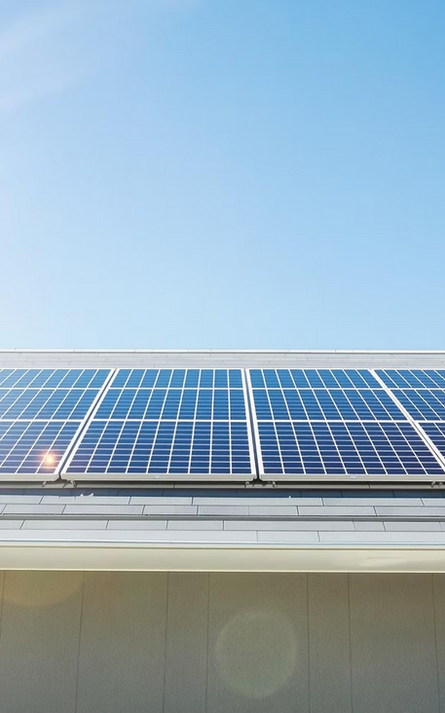
Benefits of Solar Energy
Reduced electricity bills are a significant advantage of installing solar panels. You generate your own electricity and minimise your dependence on the grid, reducing utility bills every month. Some incentives by the government, including rebates and feed-in tariffs, will make the cost of solar panels lesser by 2025. Solar energy is considered environmentally friendly since it minimises carbon emissions and cleans up the world. Besides, houses with solar installations tend to have higher market value; hence, solar becomes a worthwhile investment.
Types of Solar System Installation
There are various types of solar systems that suit different needs:
Grid-Tied Solar System
-
Most common for residential use.
-
Sends excess power back to the grid.
-
Eligible for feed-in tariffs.
Off-Grid Solar System
-
Ideal for remote locations.
-
Requires batteries for energy storage.
-
Independent from the grid.
Hybrid Solar System
-
Combines grid connection with battery storage.
-
Offers flexibility and backup during outages.
Step-by-Step Solar System Installation Process
When you decide to go solar, it’s essential to follow a structured and efficient installation process. Here’s how the solar system installation journey unfolds:

The first step in the solar installation process is a detailed site assessment. Our experts visit your property to assess several key factors that affect the system’s efficiency and overall performance. The roof’s condition, angle, and orientation are analysed, as well as any potential shading from trees or other structures. This helps in determining the ideal solar panel placement to maximise sunlight exposure.

Once we have gathered all the necessary details from the site assessment, we proceed with designing a tailored solar system for your home or business. The design phase considers your energy usage patterns, available roof space, and budget. We’ll recommend the optimal number of panels and system size to meet your energy needs while ensuring that it fits perfectly within your available space.

After installation and activation, our work doesn’t end. We provide ongoing monitoring and support to ensure the system continues to perform at its best. You’ll receive regular updates on energy production, and in the case of any issues, our support team is just a phone call or email away. If necessary, we also provide maintenance services to keep your system in top condition for years to come. This step-by-step guide ensures you understand the entire solar installation process.
The first step in the solar installation process is a detailed site assessment. Our experts visit your property to assess several key factors that affect the system’s efficiency and overall performance. The roof’s condition, angle, and orientation are analysed, as well as any potential shading from trees or other structures. This helps in determining the ideal solar panel placement to maximise sunlight exposure.